Living in the Questions


When I started blogging I declared somewhat boldly that I had come up with a theme, a road map of where I was headed. It was all well and good to begin just to begin (thanks to guru Seth and his call to action), but I’d begun questioning my Why.

Why do it? Why put myself out there? Why take the risk?

As the doubts began to creep in, I decided to return to my tribe – who I love and trust much more than my lizard brain – and what they told me was this:

I’m relentlessly curious, a life-long learner and I’ve got more questions up my sleeve than Houdini!

It’s so damn easy to forget who I really am when LB starts whispering in my ear.

It blows my mind that somehow I stumbled upon the profession of coaching and had the biggest insight of my life:  this is what I’m supposed to be when I grow up!

What a relief to finally know and begin using my strengths rather than wondering why I had them! Up until then no J.O.B. had fit the bill and I constantly felt like a round peg in a square hole.

It’s been said when you know your Why, anything is possible.

My Why was so big (honouring my values of growth, learning and contribution) and so loud that it drowned out my lizard brain long enough that I could take the first steps, and then the next.

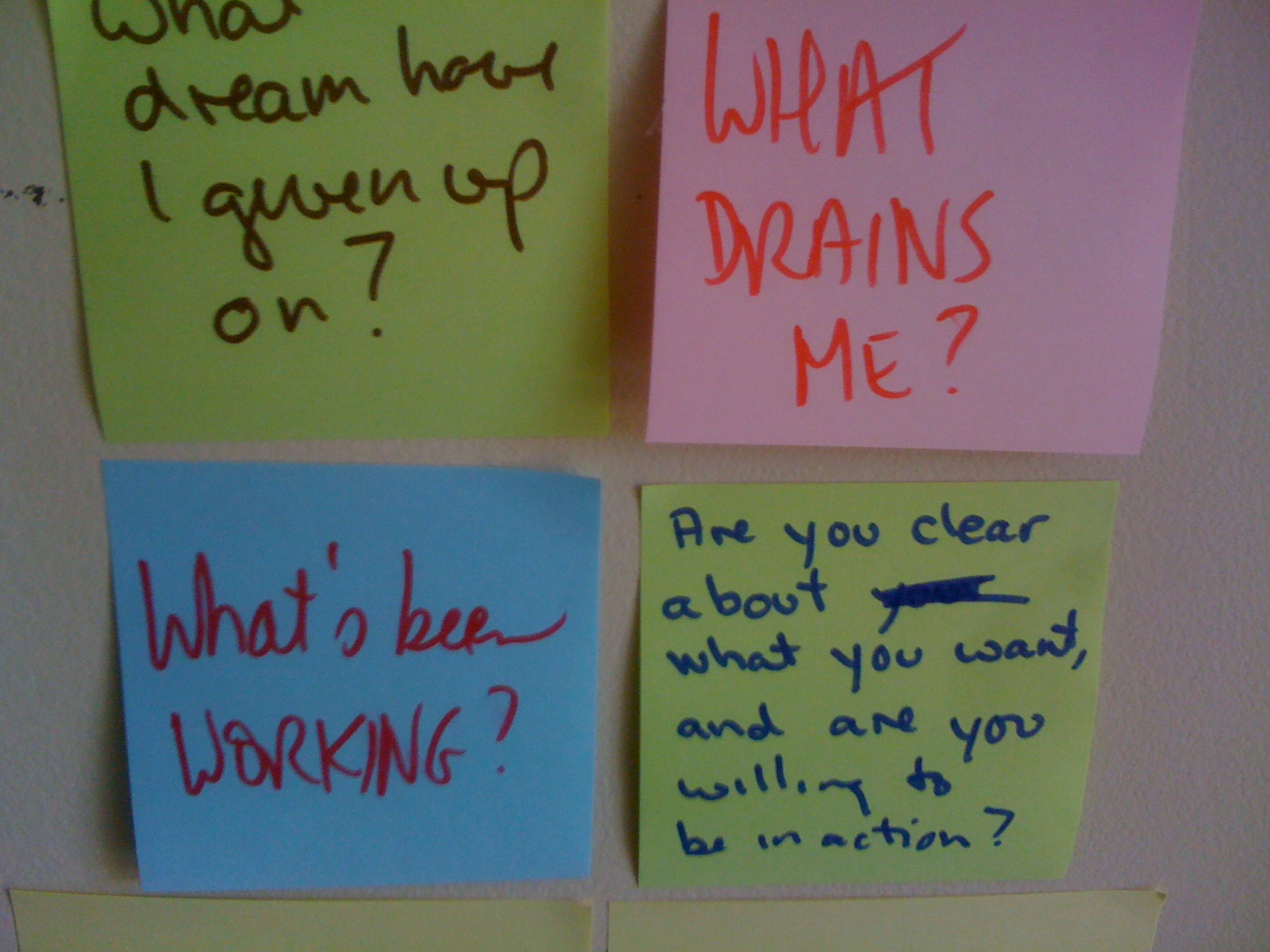
It took something to keep my word, writing and posting – shipping – every week. I began by really getting into the questions. I jotted down questions that worked with clients; questions I overheard; questions we usually don’t have the courage to ask ourselves.

Then I read How to Think Like Leonardo da Vinci. In this very cool, yet practical guide Michael Gelb invites us to begin training our vast untapped resources to start thinking like Leonardo.

Is it really possible to think like a Renaissance genius?

Continue reading

Do You Know What’s Important?


This post comes to you from a rather unusual location;  I wrote it sitting at a pub surrounded by men, beer and a good deal of testosterone.
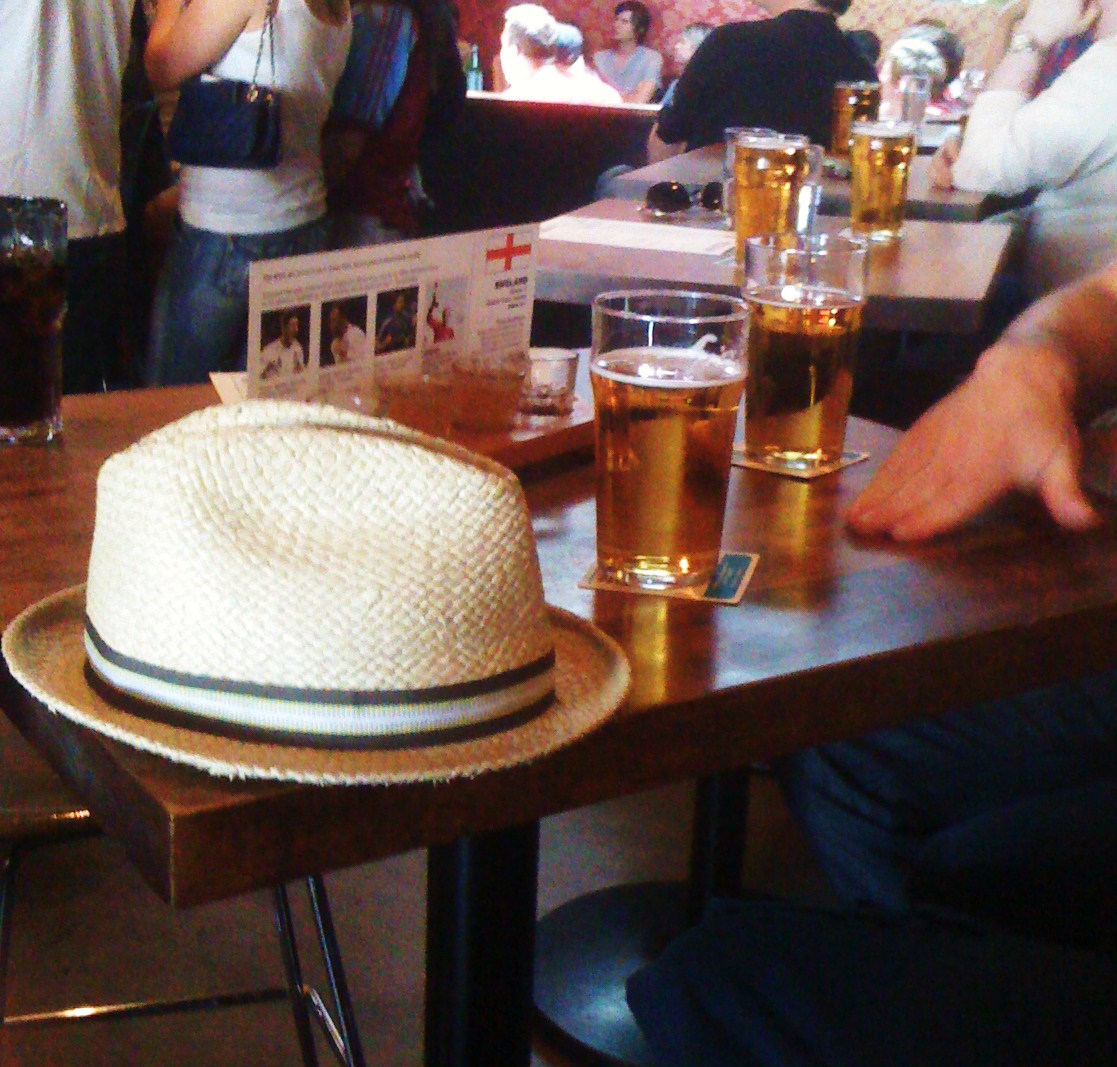
World Cup fever grabbed hold of my husband and on Friday he asked if I would please spend a part of our day off together in front of a big screen watching the England vs. Algeria match.

As the game got under way, and I glanced around the pub, this question came to mind:

What’s important?

Many of the fans wore the bright red of the English team.  My husband Mark, suddenly overcome by a desire to show his support, impulsively bought himself a jersey, instantly branding himself a member of the English tribe.

Fanatic – a person with an extreme and uncritical enthusiasm or zeal, as in religion or politics

The servers even wore specially made T-shirts that read,“It’s not soccer, it’s football, you wanker!”

To those fans, in that pub…the answer to what’s important was obvious.

To me, the answer to the question”What’s important?” was spending time with Mark, even if it meant turning my back on work and doing something that was not on my top 10 list of things to do on my day off.


What is really important?

Continue reading

How the 80/20 Rule Can Inspire You


I’ve spent the past couple of months in the Life Lab (doesn’t life occur as an experiment a lot of the time?).  I’ve been re-examining all aspects of my life and business, noticing my reactions, managing my emotions and asking myself a lot of questions.

It’s all about the questions (more on that later).

Do you know the 80/20 rule?

In the 19th century, an Italian economist and sociologist, Vilfredo Pareto, noticed that 80% of the wealth in Italy was held by 20% of the population.  He then went on to demonstrate this to be true in other countries as well.  Since Pareto’s time, this rule has been found to be true in virtually any area:

  • 20% of the streets handle 80% of the traffic
  • 20% of the features in a product are used 80% of the time
  • 20% of sales people bring in 80% of the sales
  • 80% of our time is spent on 20% of the problems

The only way to really see the 80/20 rule is to step back and look at the bigger picture, the larger perspective.  When you first do this it’s mind blowing; there’s nothing quite like seeing things clearly.  Seeing the forest rather than the trees!

If you don’t know what the big picture is, how can you make decisions that will lead you to your desired outcome?

Continue reading